Bedding · A practical guide
Choosing a Lightweight Luxury Throw for Year-Round Bed Layering
The best throw brings a bed into focus without making it feel overdone: a soft, considered layer that adds warmth when the room cools and folds away when the day turns mild. Fiber, weave, weight, and care all shape how a throw feels in daily life—and whether it earns a place beyond the foot of the bed.
There is a certain ease to a bed that looks finished but not formal. A blanket folded at the foot, ready for a chilly morning; a fine layer drawn over the shoulders while reading; a subtle shift in texture against crisp sheets. A lightweight luxury throw can do all of this, adding warmth and dimension without the visual or physical heft of another full blanket.
“Lightweight” is not a single technical standard. It describes an experience shaped by several things at once: the fiber, the yarn, the density of the fabric, and the way it has been woven or knitted. A loosely woven cashmere throw may feel airy and fluid, while a more compact wool or cotton blend can feel reassuringly substantial. The right choice depends on how you sleep, the temperature of your room, and whether the throw is intended for nightly use or occasional styling.
Rather than choosing by softness alone, look at the complete textile. Fiber content tells you what the cloth is made from; construction helps explain its drape and insulation; care instructions suggest how it will fit into your routine. Together, these details offer a more useful picture than a label that simply promises comfort.
Start with the role the throw will play
Before comparing fibers, decide how the throw will be used. A decorative layer placed across the foot of a bed has different demands from a blanket you reach for every evening. For styling, a delicate open weave or a soft, fluid blend may be appealing because it folds easily and falls gracefully over the bedding. For repeated use, durability, easy care, and a construction that can tolerate regular handling may matter more.
Consider the climate of the bedroom, too. In a well-heated home, a very warm textile may spend much of the year folded away. In a drafty room, a denser layer could prove useful even when the calendar says spring. Personal temperature preferences are equally important: someone who tends to feel cold may want more coverage, while a warm sleeper might value breathability over insulation.
A throw’s proportions affect its usefulness. A compact piece can be convenient for the shoulders or a single bed corner, while a longer or wider design can cover more of the mattress and accommodate relaxed layering. Check the stated dimensions rather than relying on the product name. The words “throw,” “blanket,” and “bed cover” are not always used consistently across makers.
What fiber blends bring to the bed
Cashmere is prized for its fine, soft handle and warmth relative to its weight. In a throw, those qualities can create a layer that feels indulgent without seeming bulky. Pure cashmere and cashmere blends, however, are not interchangeable. A blend may include wool, cotton, silk, or other fibers, each of which can influence the cloth’s texture, strength, drape, and care needs.
A wool-and-cashmere blend may feel more structured or robust than a very fine, lightweight cashmere cloth, depending on the yarn and construction. Silk combined with cashmere can contribute a smooth surface and elegant drape. Cotton blends may feel more familiar and practical, with a different balance of softness and breathability. These are tendencies, not guarantees: percentages alone cannot tell you precisely how a finished textile will feel.
Read the fiber percentages closely. A product described as “cashmere blend” could contain very different proportions of cashmere, and the label should state the composition. If the description uses evocative language such as “cashmere-soft,” check whether it refers to a cashmere fiber content or simply to a soft hand. Clear material information helps prevent a pleasant-sounding phrase from being mistaken for a fiber specification.
Blends can be chosen for reasons beyond feel. A supporting fiber may affect resilience or make a textile easier to handle, while a lofty natural fiber may contribute insulation. Still, no blend is automatically superior. The useful question is whether its properties match your priorities: softness, warmth, breathability, longevity, or simpler upkeep.
Weave and knit: the architecture of comfort
Construction determines how fibers come together—and it can change the character of a throw as much as the fiber itself. In a woven textile, yarns cross one another in a structured pattern. A plain weave is generally straightforward and can create a clean, balanced surface. Twill, recognizable by its diagonal texture, may have a more fluid appearance and a supple drape. The exact result depends on yarn, density, and finishing.
Open weaves allow more air to pass through and often appear light and relaxed. They can suit a mild climate or a bed that needs only a touch of warmth. The trade-off is that an airy construction may be more delicate, and its loops or open spaces may call for careful handling around jewelry, zippers, or pets. A close weave can feel smoother and more protective, but may provide more insulation than a warm room requires.
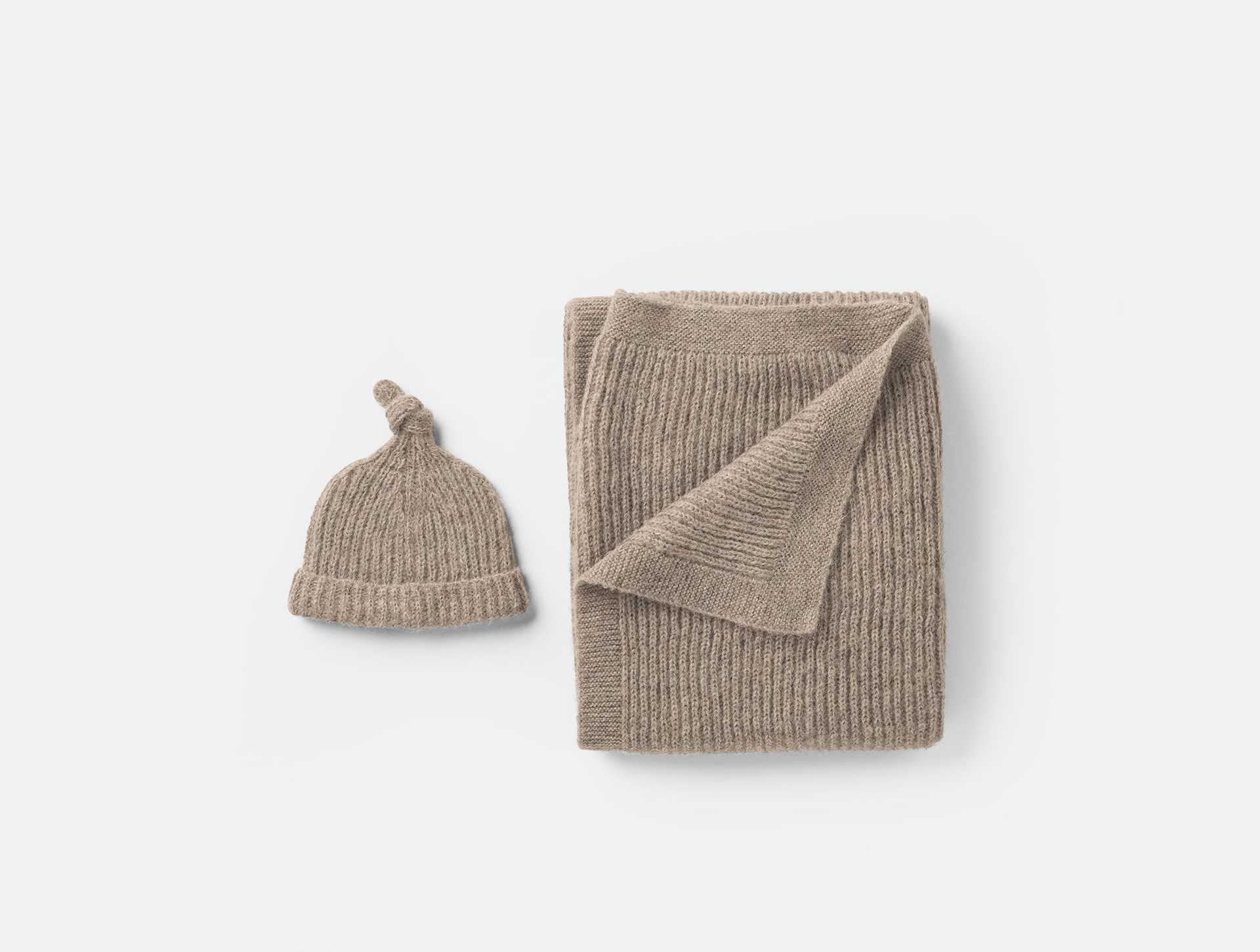
Knitted throws have a different character. Their loops can create stretch, texture, and a soft, enveloping feel. A fine knit may be flexible and easy to drape; a chunky stitch can introduce visible volume even when the fiber itself is light. If a throw is meant to sit neatly at the end of the bed, consider whether the knit holds its shape and whether the texture suits the rest of the bedding.
Fringe, binding, and edge finishes are more than decorative details. They affect the visual weight of a throw and can influence how it wears. A clean hem creates a restrained outline; fringe softens the edge and adds movement. Look closely at how the finish is attached, especially if the textile will be handled often. A polished appearance is most satisfying when the construction is also suited to use.
Weight is more than a number
A listed fabric weight can help when comparing options, but it does not tell the entire story. Density, fiber loft, yarn thickness, and construction all contribute to perceived warmth. Two throws with similar weights may feel quite different: one may be airy and drapey, the other compact and substantial. Where a specification is provided, treat it as one clue rather than a complete comfort forecast.
Think about how the throw will layer over existing bedding. A light, open textile is easy to fold or pull aside and can add a change in texture without making the mattress feel crowded. A denser one may work best as a stand-alone top layer on cool nights. If you already use a warm duvet, a thin throw may be enough for evening lounging or for a little extra coverage at the feet.
Drape is part of perceived weight. A fluid textile follows the contours of a bed or body, which often makes it feel less imposing. A firm or lofty textile can hold its shape, appearing more architectural. Neither is inherently better; one may create a relaxed, lived-in look while the other offers a more tailored finish. Consider the atmosphere you want as well as the temperature you need to manage.
How to judge a throw before buying
When shopping online, start with the product’s specific material and construction details. Look for the full fiber breakdown, dimensions, country-of-origin information where available, and a clear care label. A detailed description should help you understand whether the piece is woven or knitted, whether it is lined or double-faced, and how its edges are finished. If essential details are missing, avoid filling the gaps with assumptions.
When shopping in person, handle the fabric gently. Notice whether it feels smooth, lofty, dry, or springy; observe how it falls when held by one corner; and check whether the surface seems prone to snagging. A quick touch cannot predict years of wear, but it can reveal whether the textile’s character appeals to you. For cashmere and other fine fibers, resist rubbing the fabric vigorously as a test.
Pilling is another point to understand. Small surface pills can develop on many textiles as loose fibers work free through friction. Their appearance depends on fiber, yarn, construction, finishing, and use. A promise of softness does not mean a throw will never pill. Read care guidance, avoid rough abrasion, and consider whether the surface is appropriate for the way you plan to use it.
A simple comparison checklist
- Confirm the complete fiber composition, not only the headline material.
- Check the dimensions against the bed and the way you plan to use the throw.
- Compare weave or knit construction, edge finish, and the level of coverage.
- Read care instructions before deciding whether the textile suits daily life.
- Consider bedroom temperature, personal warmth preferences, and how often the throw will be used.
Care is part of the comfort equation
A throw that feels wonderful but demands care you cannot realistically provide may spend more time stored than enjoyed. Always follow the maker’s care instructions. “Dry clean only” is a meaningful commitment, particularly for a piece intended for nightly use. A washable textile may be more convenient, but washing still requires attention to temperature, agitation, detergent, and drying method.
Natural fibers can respond differently to moisture and heat. Some may shrink, distort, or lose their surface character if washed incorrectly. If a label recommends professional cleaning, do not assume that hand-washing is a safe substitute. If the instructions allow home care, use the specified settings and avoid treating a delicate throw like a sturdy bath towel. When in doubt, ask a qualified cleaner familiar with fine textiles.
Between cleanings, simple habits can help keep a throw looking fresh. Air it out when practical, fold it rather than leaving it crumpled, and store it clean and dry. Keep it away from damp surfaces and prolonged direct sunlight, which can affect some fibers and dyes. If the textile has fringe, arrange it neatly before storing so the ends are less likely to tangle.
Care also includes everyday placement. A fine open weave may be best kept away from rough upholstery, sharp hardware, and surfaces that catch yarn. If pets share the bed, think realistically about claws and shedding. These small considerations do not diminish the appeal of a delicate textile; they help ensure that its beauty is compatible with the life around it.
Building a year-round bed
Seasonal layering works best when each piece has a clear purpose. Begin with bedding suited to the room and season, then add a throw for adjustable warmth. In warmer months, an airy layer can rest folded at the foot of the bed, ready for a cool evening. As temperatures fall, it can be paired with a duvet or blanket for extra coverage without changing the entire bed ensemble.
A restrained palette helps different textures feel intentional. A tonal throw can add depth without competing with patterned sheets, while a contrasting shade can give a quiet bedroom a focal point. Texture often provides enough visual interest on its own: a softly brushed surface, a subtle twill, or a fine knit can make a bed feel layered even when the colors are close.
The way you fold the throw also changes the impression. A narrow fold across the foot of the bed reads as crisp and composed. A looser drape feels more relaxed and makes the piece easy to reach. Either approach can work, provided the throw is not so oversized or heavy that it overwhelms the bedding beneath it.
A thoughtful choice, not simply a luxurious one
Luxury in a bed layer is not only about a prestigious fiber or a lofty description. It is the pleasure of a textile that feels right against the skin, sits comfortably in the room, and remains practical enough to use. A thoughtfully chosen throw balances tactile appeal with the realities of warmth, maintenance, and daily handling.
For year-round layering, look for a construction that suits your climate, a fiber blend whose properties you understand, and care instructions you are willing to follow. If you want a barely-there finish, an open weave and fluid drape may be the answer. If cool nights are the priority, a closer construction or a warmer blend may offer more useful comfort. The best option is not necessarily the softest or the most substantial, but the one that works in your room, with your bedding, and within your routine.
A lightweight throw can be a quiet detail, but it changes the experience of a bed in a very tangible way. Chosen with attention to fiber, weave, weight, and care, it becomes more than a finishing touch: a flexible layer that welcomes the small shifts in temperature and mood that make a bedroom feel lived in.