A couture guide to cashmere: what quality actually means
Cashmere is more than a luxury label; it is a science of fibers, length, and fineness that translates into that signature melt-in-your-mouth softness. When evaluating cashmere—especially from a major sourcing hub like China—experts look beyond the price tag and the brand narrative. The fiber diameter, measured in microns, is a primary indicator of feel against skin: finer fibers yield a lighter, more even hand, while coarser diameters can produce bulk and pill-prone surfaces.
In the Chinese cashmere ecosystem, production stages from herd management and毛纤维 (毛纤维: hair fibers) collection to combing, dehairing, and scouring influence final hand and performance. The finishing steps—carding, spinning, and knitting or weaving—also shape the fabric’s warmth, drape, and resilience. When you read a label, you should be asking: what is the fiber composition, what is the micron count, and how is the fabric finished?
Key fiber indicators to check
- typical cashmere ranges around 14-19 microns for premium quality; lower microns usually indicate finer softness and less itch.
- longer fibers contribute to stronger spinning, fewer pills, and a smoother surface.
- gradation by fiber type: pure cashmere vs. cashmere blends; blends can alter warmth, weight, and hand.
- fiber strength and elasticity: measured in breaking force; stronger fibers yield longer-lasting garments.
- staple quality and consistency: uniformity reduces pilling and uneven texture.
When sourcing from China, the supply chain can involve multiple players from farms to mills to finishing houses. Transparent documentation about origin, processing steps, and certifications supports trust. The industry recognizes a spectrum of certifications and standards, but transparency remains the most actionable signal for consumers and researchers.
Label literacy: decoding what you’re really buying
A thoughtful label is more than branding; it is a map to the fiber story. Real cashmere is often accompanied by a simple declaration of “100% cashmere” or a clear percentage breakdown if blended. When blends appear, scrutinize the other fibers and their percentages. The sum should total 100%; otherwise there is ambiguity about the composition.
Labels may reference processing terms that signal quality. For instance, “dehaired cashmere” implies the removal of coarse guard hairs, resulting in a finer fleece. “Pombere” and other textile jargon can emerge in marketing copy, but the practical signals live in the fiber count, micron count, and country of origin.
Ethics and transparency: how to evaluate sourcing responsibility
The ethics of cashmere supply chains in China hinge on animal welfare, labor practices, and environmental stewardship. Certifications such as GOTS (for organic fibers) or Fair Trade can offer a baseline of responsible practice, but buyers should seek direct sourcing transparency, supplier histories, and, when possible, third-party audits. The ESG lens is not merely fashion—it's a practical framework for evaluating risk, quality, and long-term value.
Three pivotal figures across eras shaping cashmere discourse
Early scholars documented traditional cashmere craft and the trade networks that connected the high passes of Asia with coastal markets. Their archival work laid the groundwork for modern textile science, clarifying the lineage of cashmere fibers from wild capra (goats) to refined yarns.
Industrial revolutions brought mechanization to spinning and weaving. This era pushed the refinement of cashmere processing methods—screening, combing, and worsted spinning—and forged a professional network of mills that could scale luxury fiber without sacrificing quality.
Contemporary researchers and journalists champion supply-chain visibility. They push brands toward traceability, certifications, and ethical reporting. This modern cohort treats cashmere not only as a luxury material but as a case study in sustainable luxury and responsible manufacturing.
A buyer’s toolkit includes fiber knowledge, label literacy, and a critical view of marketing claims. By understanding these pillars, readers become empowered to choose cashmere with confidence, balancing luxury with ethics.
Universities, independent textile labs, and ethical trade bodies collaborate to standardize indicators of quality and sustainability. This cross-pollination elevates consumer education and elevates industry standards, aligning the pure luxury of cashmere with a rigorous, accountable framework.
Practical guide: steps to evaluate cashmere from China today
- Check fiber content and micron count. Look for precise micron range information. Pure cashmere will typically fall within a fine micron band; blends will show additional fibers with their percentages clearly listed.
- Inspect the label for origin and processing disclosures. A reputable product will state country of origin and ideally the mills involved in spinning and finishing. If disclosure is sparse, treat with greater scrutiny.
- Evaluate certifications and audits. Seek third-party certifications or documented audits that attested environmental and labor practices. GOTS, Fair Trade, and other recognized standards offer frameworks for responsible production.
- Understand the finishing and care guidance. Finishing methods influence handfeel and warmth. Proper care instructions reflect the durability of the product and the quality of fiber alignment.
- Request transparency on supply-chain traceability. Brands with traceability narratives can provide supplier lists, origin data, and production milestones. This reduces uncertainties about animal welfare and labor conditions.
A curated, non-commercial model: shopping with discernment
This guide advocates a non-commercial, information-first stance. It emphasizes transparent labeling, robust fiber indicators, and ethical considerations without endorsing specific suppliers or marketing narratives. The aim is to empower readers to make informed, stylish choices while supporting industry-wide improvements in transparency and accountability.
Product spotlight: Cozy Cotton Organic Throw

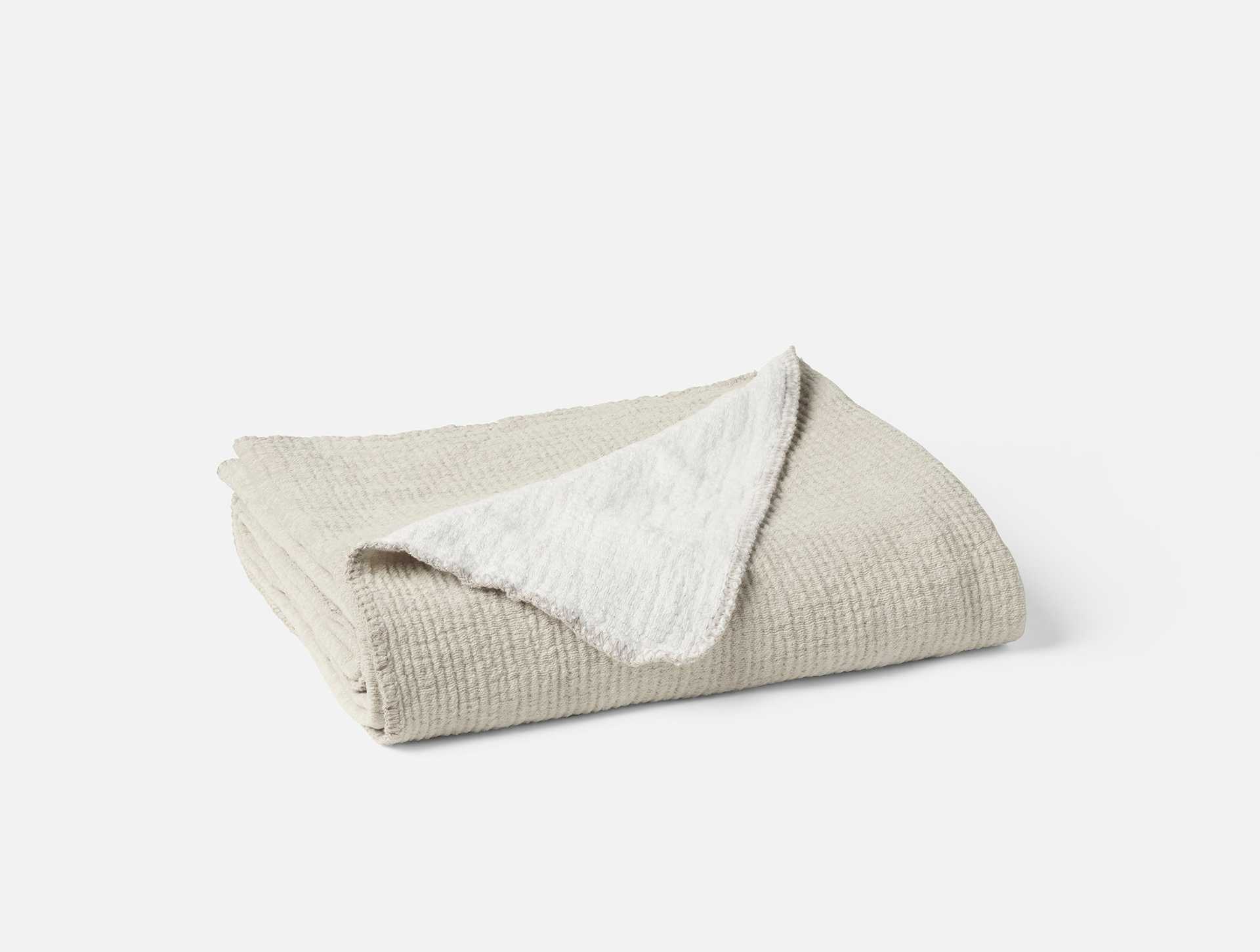
Cozy Cotton Organic Throw
Organic cotton chenille, washed texture, reversible color design. 100% organic cotton; Turkish cotton origin with German weaving.
This throw epitomizes the intersection of luxury texture and responsible sourcing. Its puckered surface and reversible colorways invite layering and versatility in modern bedrooms and living spaces.
Price: $248.00
Note: The Cozy Cotton Organic Throw is featured here to illustrate how a product narrative can intersect with the broader themes of fiber quality, labeling clarity, and ethical sourcing discussed in this article.