Blankets serve as versatile bedding accessories that influence warmth, comfort, and sleep quality. In the context of textile design, materials, weave patterns, and fiber treatments determine insulation, moisture management, and breathability. Understanding these factors helps clarify how blankets adapt to different room climates, seasons, and personal preferences for a restful environment.
Common blanket materials include natural fibers such as cotton, wool, and alpaca, each with distinct properties. Alpaca blends, for instance, often offer excellent warmth without excessive weight, while cotton provides softness and cooling in warmer conditions. The right combination supports temperature regulation, skin-friendly textures, and long-term durability for varied sleeping arrangements.
Functional benefits of premium blankets extend beyond temperature control to include durability, hypoallergenic considerations, and ease of care. Fiber length, fiber diameter, and yarn construction influence resistance to pilling and wear. Easy-care finishes and machine-washable options can simplify maintenance while preserving softness and colorfastness over time.
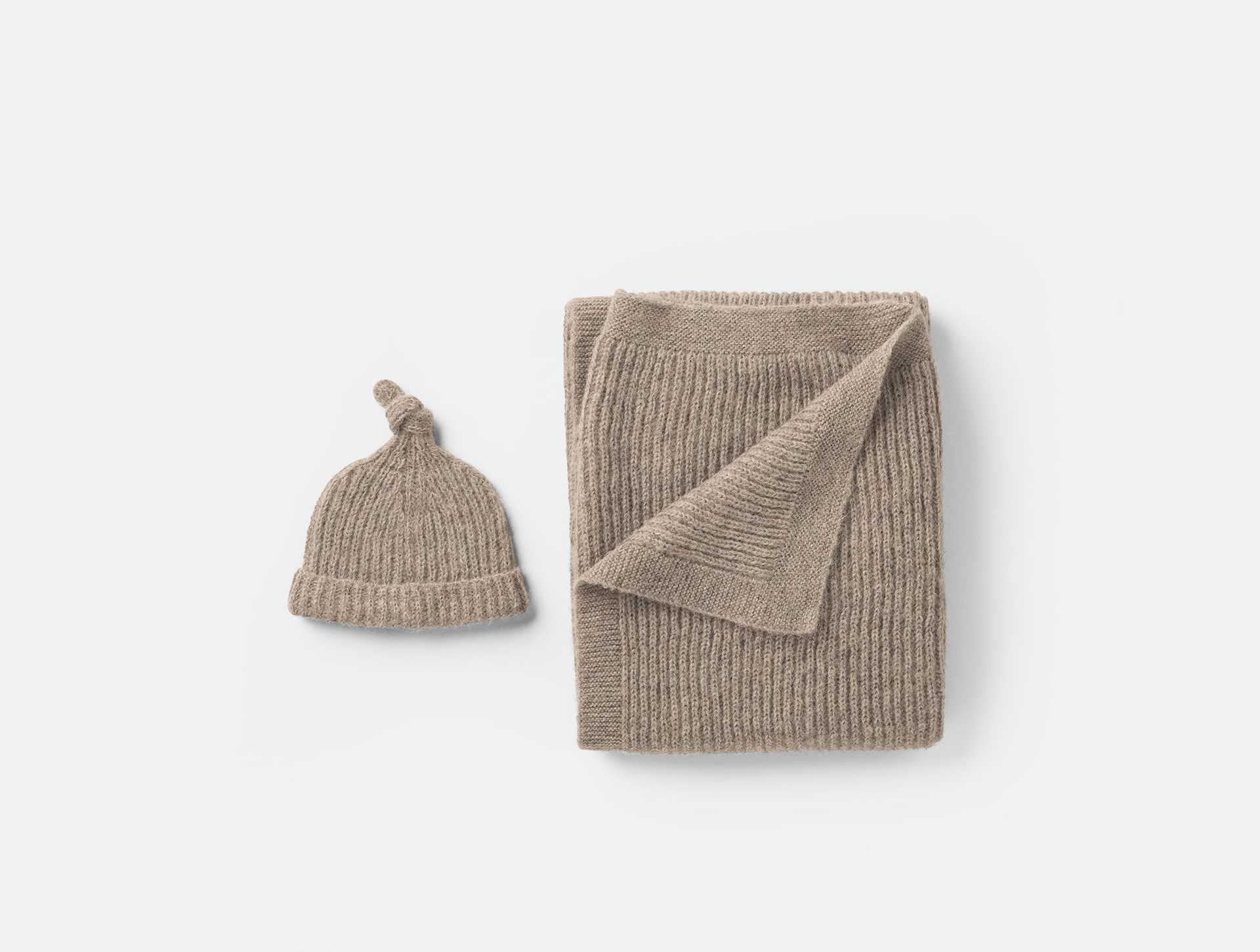
The Andes Suri Alpaca Knit Baby Gift Set exemplifies how high-quality materials and craftsmanship intersect to deliver comfort for infants. Alpaca fibers are naturally breathable and gentle against delicate skin, while knit construction provides soft stretch and warmth. This combination supports safe, cozy environments for newborns and growing infants within nursery settings.
In broader bedding contexts, blankets contribute to sleep ergonomics, layering under quilts or with sheets to optimize thermal balance. For nurseries, the use of hypoallergenic, breathable blankets supports a healthy sleep environment. Integrating these textiles with compatible innerspring mattresses or luxury mattress concepts can enhance overall comfort and restorative rest.
 Bedding